
Skip to content
ZHENKAI logoZHENKAIZHENKAI NEW MATERIALSContact

Different environments.
Purposeful protection.

Explore five applications through substrate, corrosion exposure and application requirements, then discuss a coating system for your project.

Client-supplied application imagery does not constitute proof of a specific project

Application reference · Open the full original image

Transport safety engineering

Operating conditions
Coastal and sea-crossing salt spray, combined with structural loads and UV exposure.
Suitable substrates
Bridge cables, structural steel and transport infrastructure steelwork.
Solution details, specifications & application referencesShow details
BRIDGE CABLE

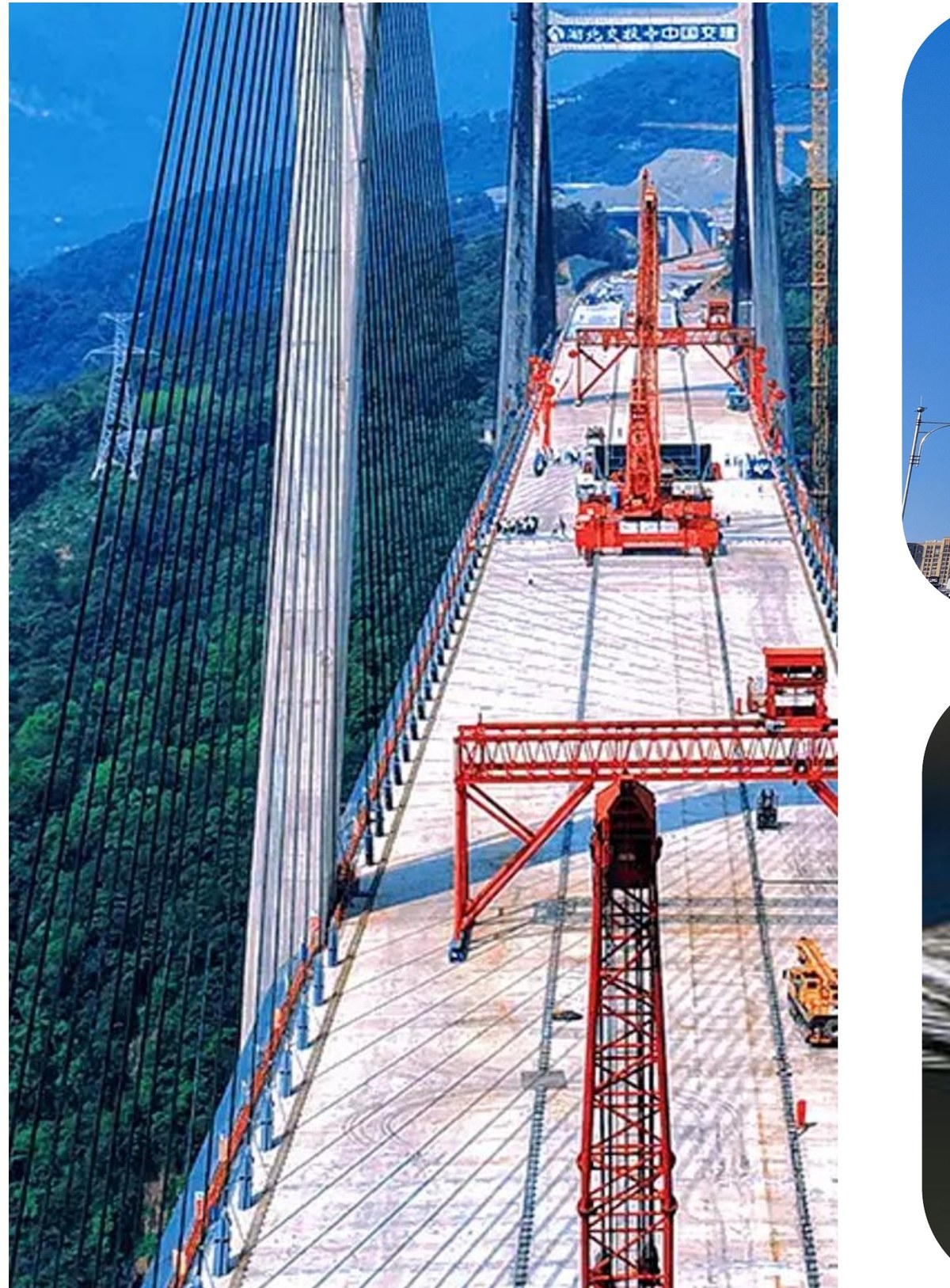
Bridge cables

With a single 60–80 μm coat, the supplied literature reports field salt-spray cycling exceeding 15,000 hours, a corrosion rate of 0.014 mm/year (92% lower), and design life increasing from 10 to 25 years, reducing lifecycle costs.

Solution highlights

  • Exposure: coastal and sea-crossing salt spray, structural loads and prolonged UV exposure.
  • Protection system: a nano inorganic single coat against salt spray, structural loading and UV exposure.
  • Substrates: bridge cables, structural steel, highway guardrails and other transport steelwork.
  • Recommended thickness: a single 60–80 μm coat.
Single-coat application
60–80 μm
Field salt-spray cycling
15000 h+
Corrosion rate (92% reduction)
0.014 mm/year
Design life
10 → 25 years
Bridge cable coating application on site
Bridge pylon and stay cables
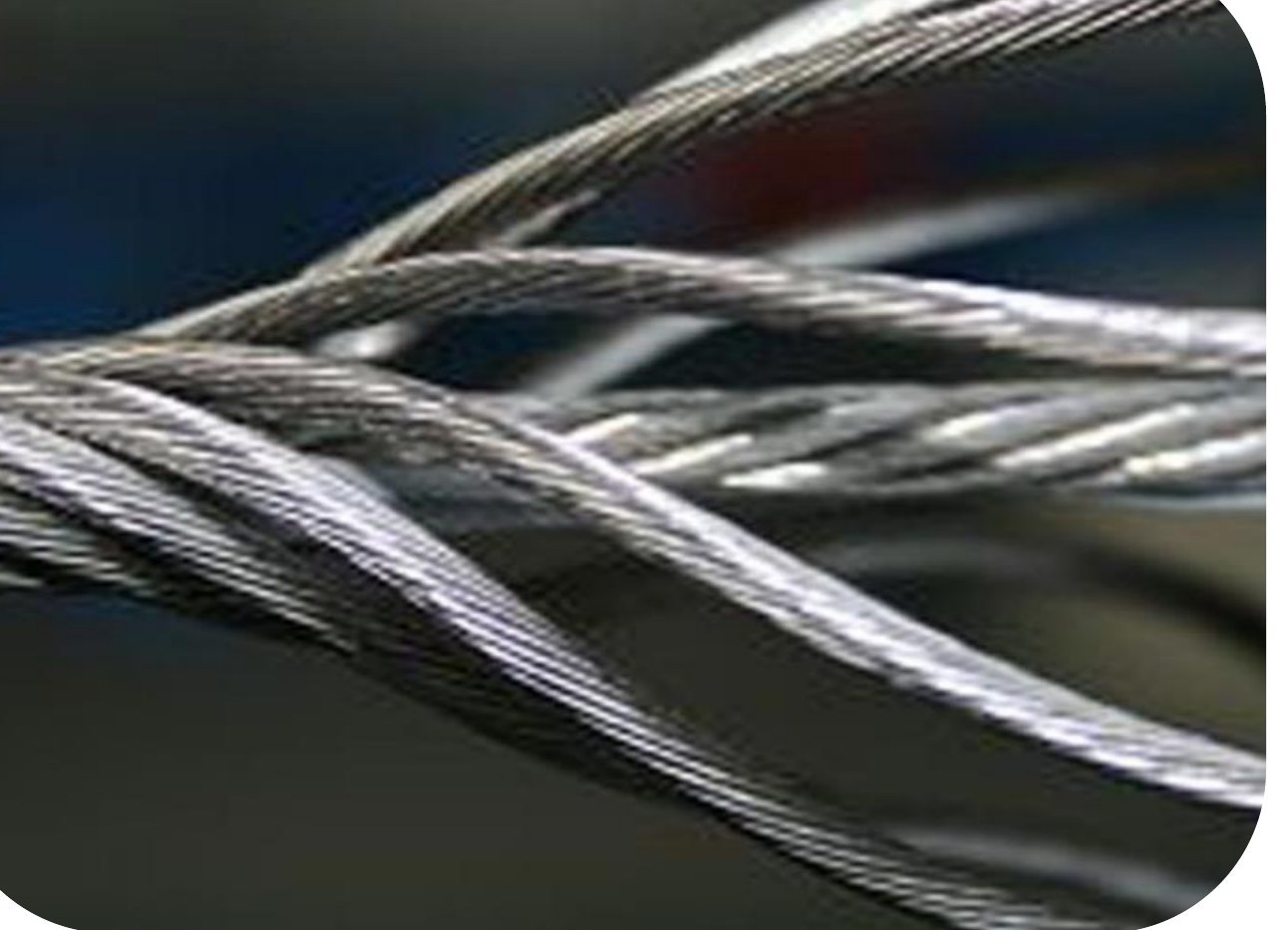
Bridge cable wire bundle detail

Application reference · Open the full original image

Marine & ship engineering

Operating conditions
Seawater exposure and corrosion protection for marine and port facilities.
Suitable substrates
Coastal facilities, port machinery, offshore platforms and ship hull plating.
Solution details, specifications & application referencesShow details
COASTAL / MARINE

Coastal facilities · Offshore engineering · Ships

The fully inorganic structure resists marine fouling, including barnacles. Self-growth, barrier protection, cathodic protection and passivation provide four mechanisms of protection, with reported salt-spray resistance exceeding 20,000 hours.

Solution highlights

  • Ships: after a 60–80 μm application, no underwater peeling or marine fouling was observed in the supplied records.
  • Nano inorganic single-coat technology can reduce multi-coat application during conventional hull maintenance and help limit marine fouling.
  • Ship applications: hull coating validation on multiple domestically built coastal workboats and container ships, as described in the supplied literature.
  • Applications: coastal facilities, port machinery, offshore platforms, hull plating and ship sides.
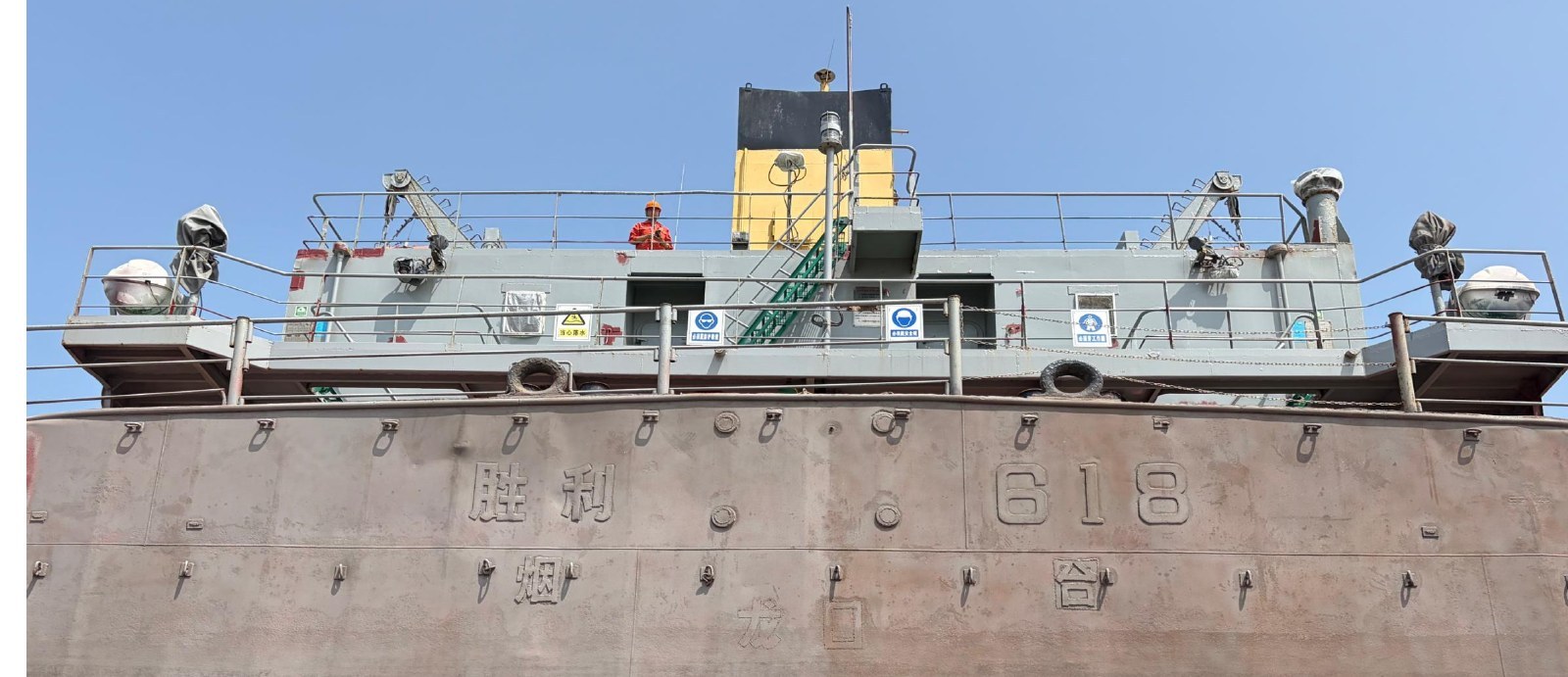
No underwater peeling observed after application
60–80 μm
Salt-spray protection
20000 h+
No marine fouling observed
0 fouling deposits
Nano inorganic single-coat technology
1 coat
Coastal port and container terminal
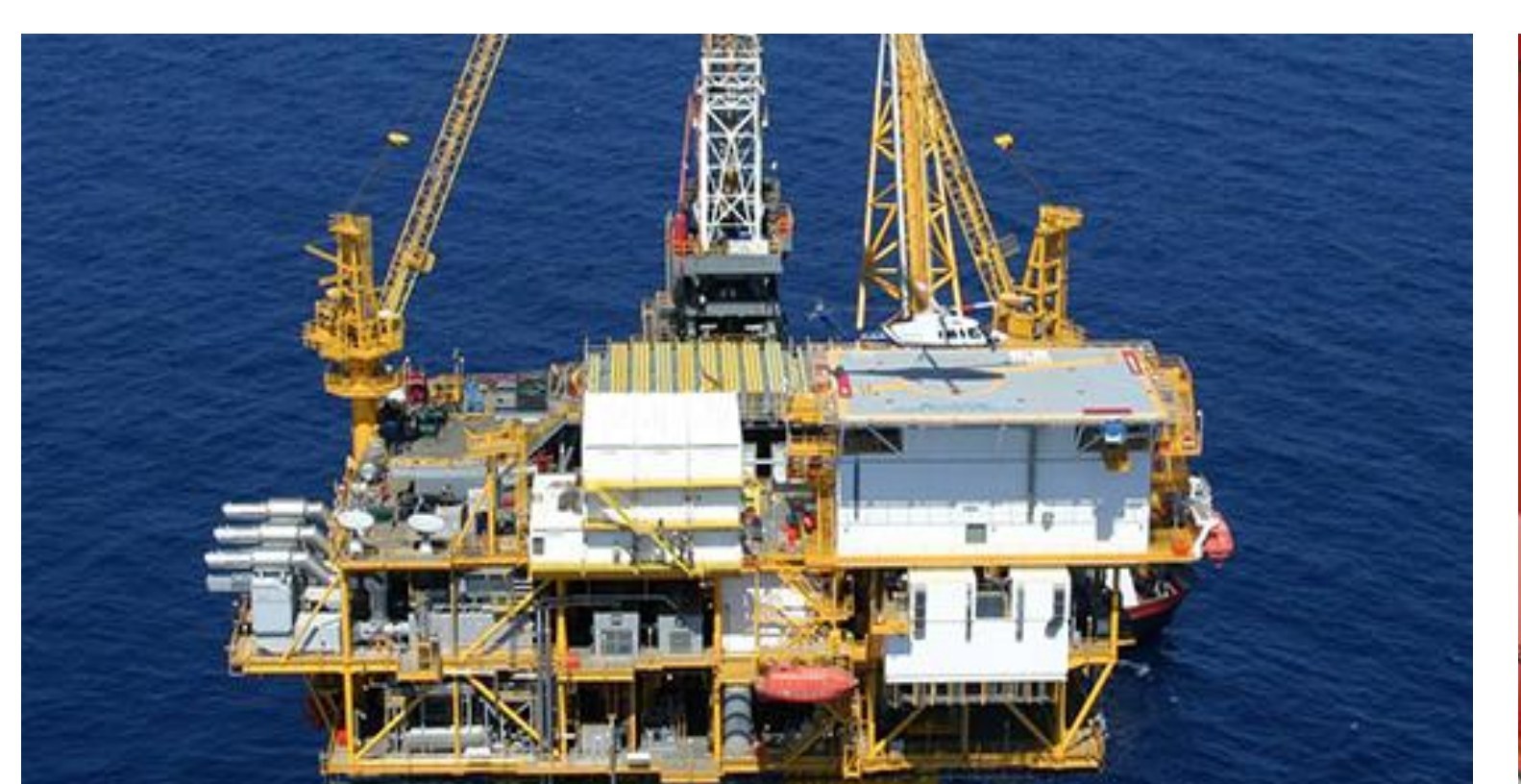
Offshore platform steelwork
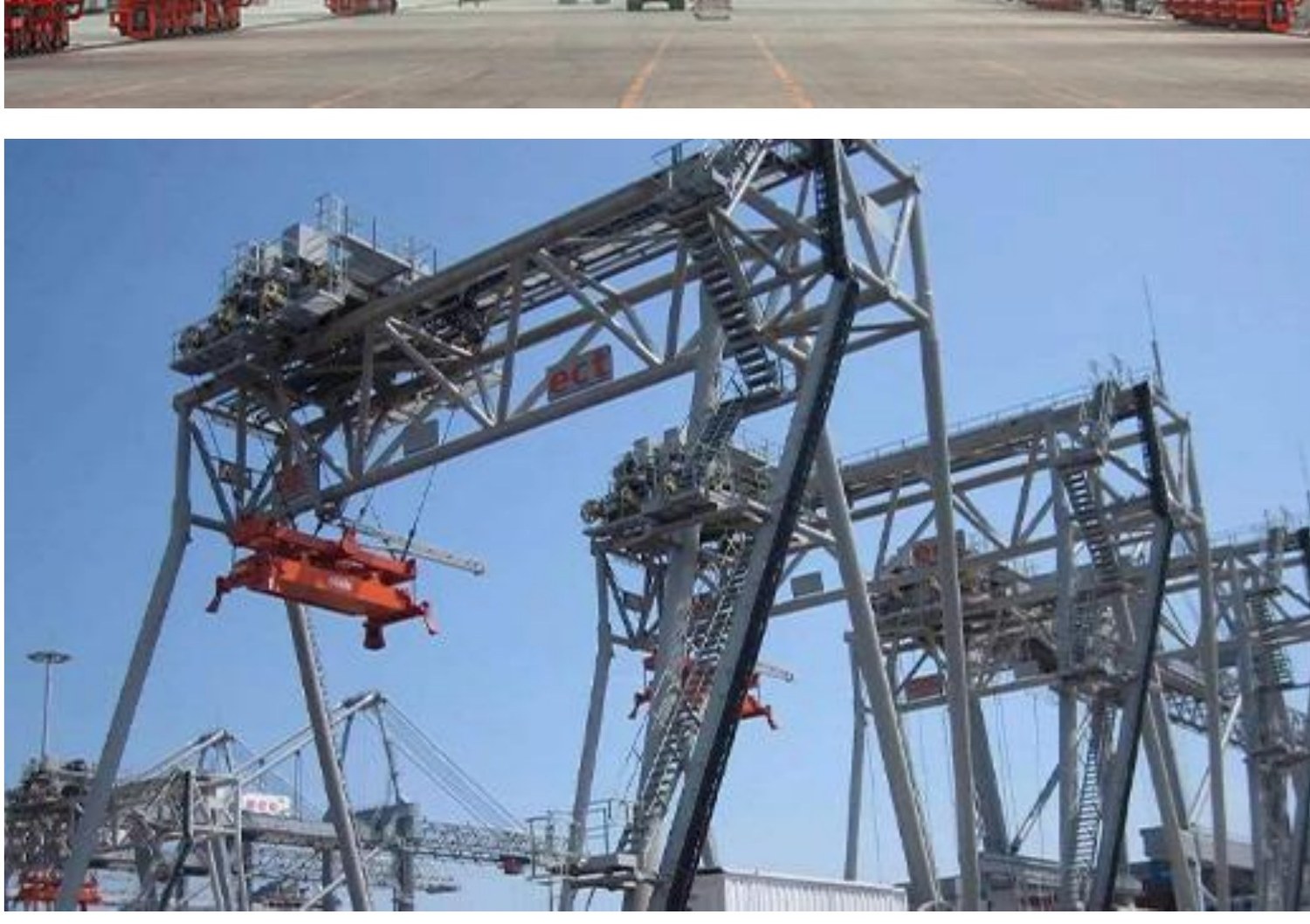
Port gantry crane
Port gantry crane
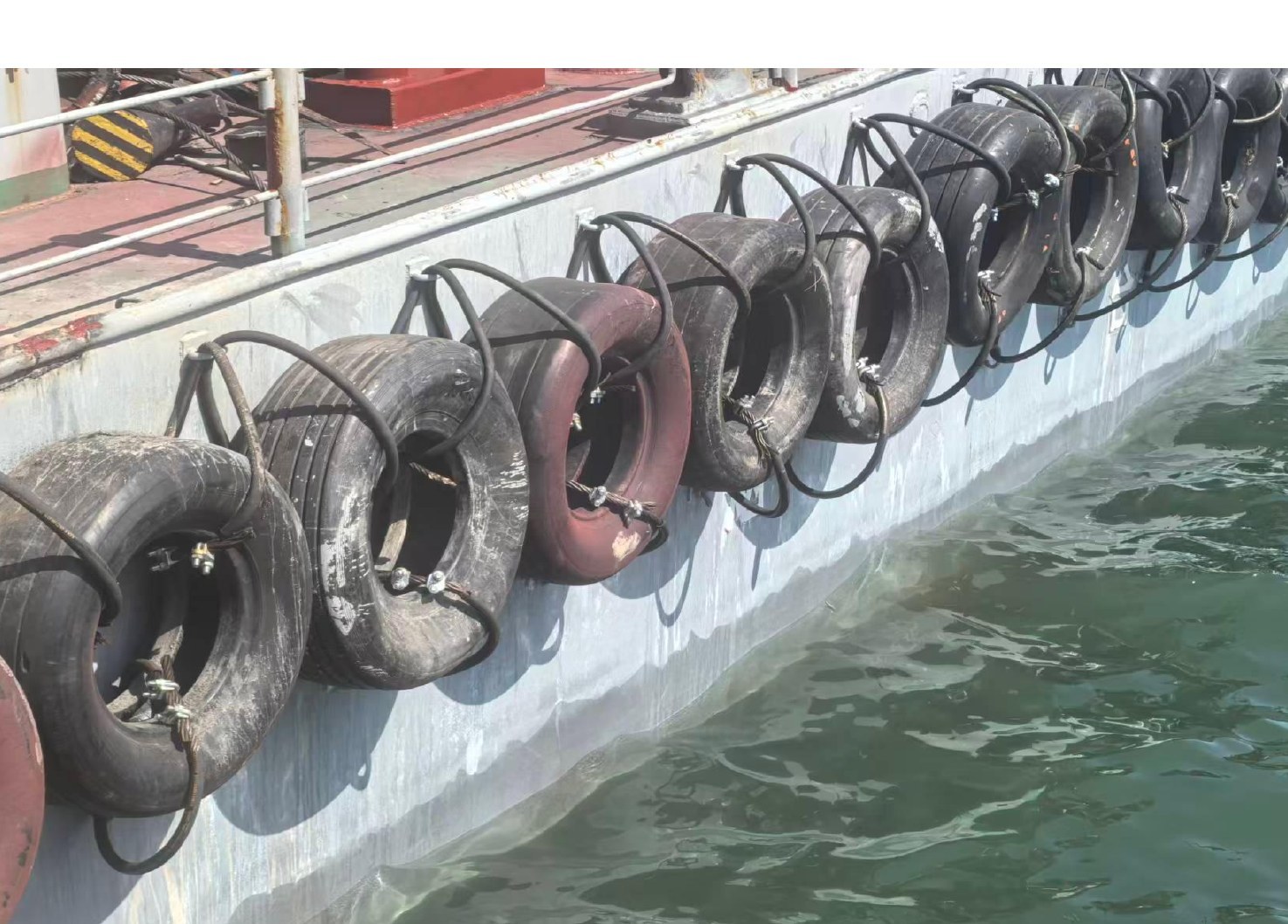
Ship side alongside a berth
Ship hull coating and maintenance

Application reference · Open the full original image

Petrochemical

Operating conditions
High temperature and pressure, salt spray and corrosive media.
Suitable substrates
Industrial equipment including storage tanks, pipes and valves.
Solution details, specifications & application referencesShow details
PETROCHEMICAL

Petrochemical

A 40–60 μm spray application addresses coating failures under high-temperature, high-pressure oilfield conditions that can cause equipment corrosion and seized valves, reducing maintenance, replacement costs and unplanned production losses.

Solution highlights

  • Challenge: combined heat, pressure, salt spray and corrosive media can cause conventional coating failure.
  • Coating system: 40–60 μm spray application to maintain coating integrity under heat and pressure.
  • Application compliance: zero solvents; the supplied literature states full compliance with explosion-proof application requirements.
  • Benefits: longer corrosion protection service life and fewer annual maintenance shutdowns.
Equipment protection service life
26+ years
Reduction in annual maintenance shutdowns
75 %↓
Stated compliance with explosion-proof application requirements
0 solvents
Recommended spray thickness
40–60 μm
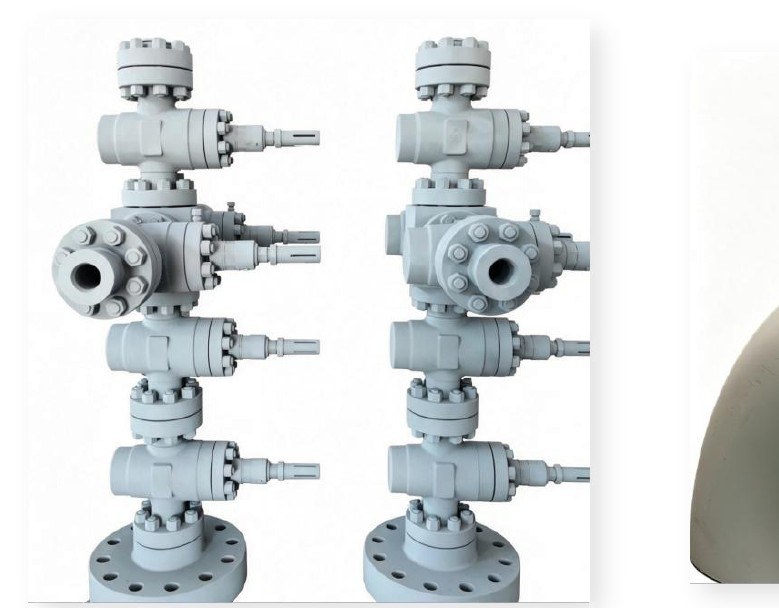
Oil well Christmas tree / Wellhead valve assembly
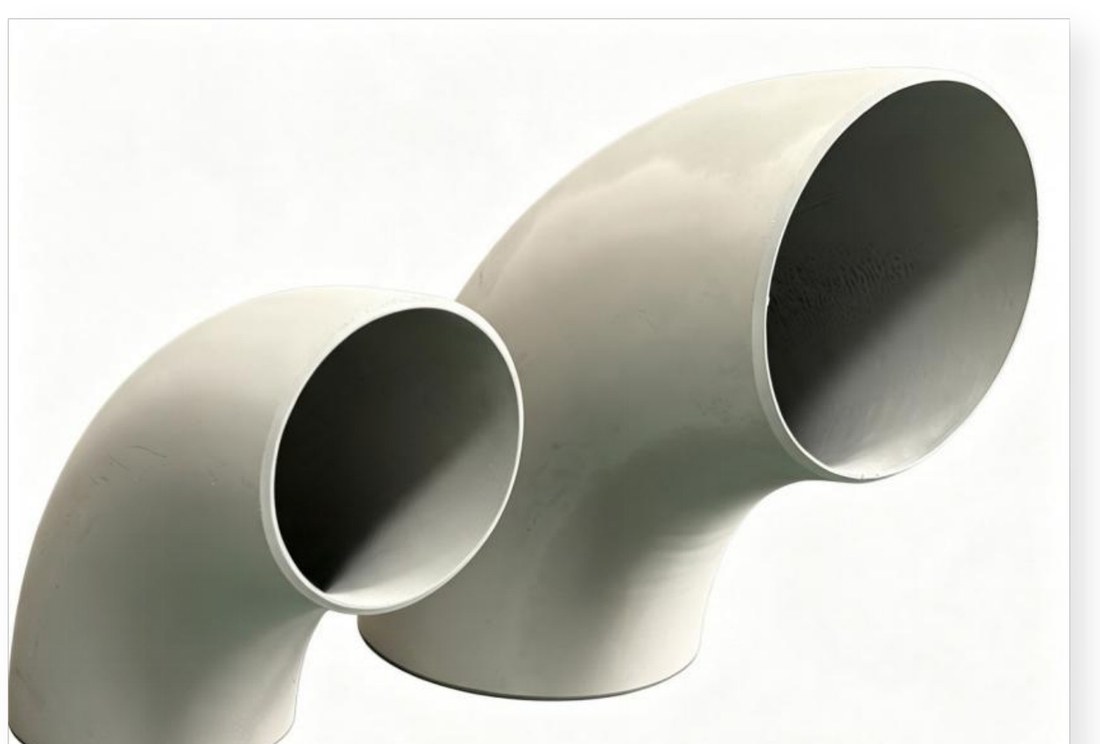
Pipeline elbow
Pipeline elbow

Application reference · Open the full original image

Wind & renewable energy

Operating conditions
Prolonged sunlight, rain erosion and high-temperature corrosion exposure.
Suitable substrates
Wind towers, solar support frames and power infrastructure steelwork.
Solution details, specifications & application referencesShow details
WIND / PV

Wind & solar · Wind energy

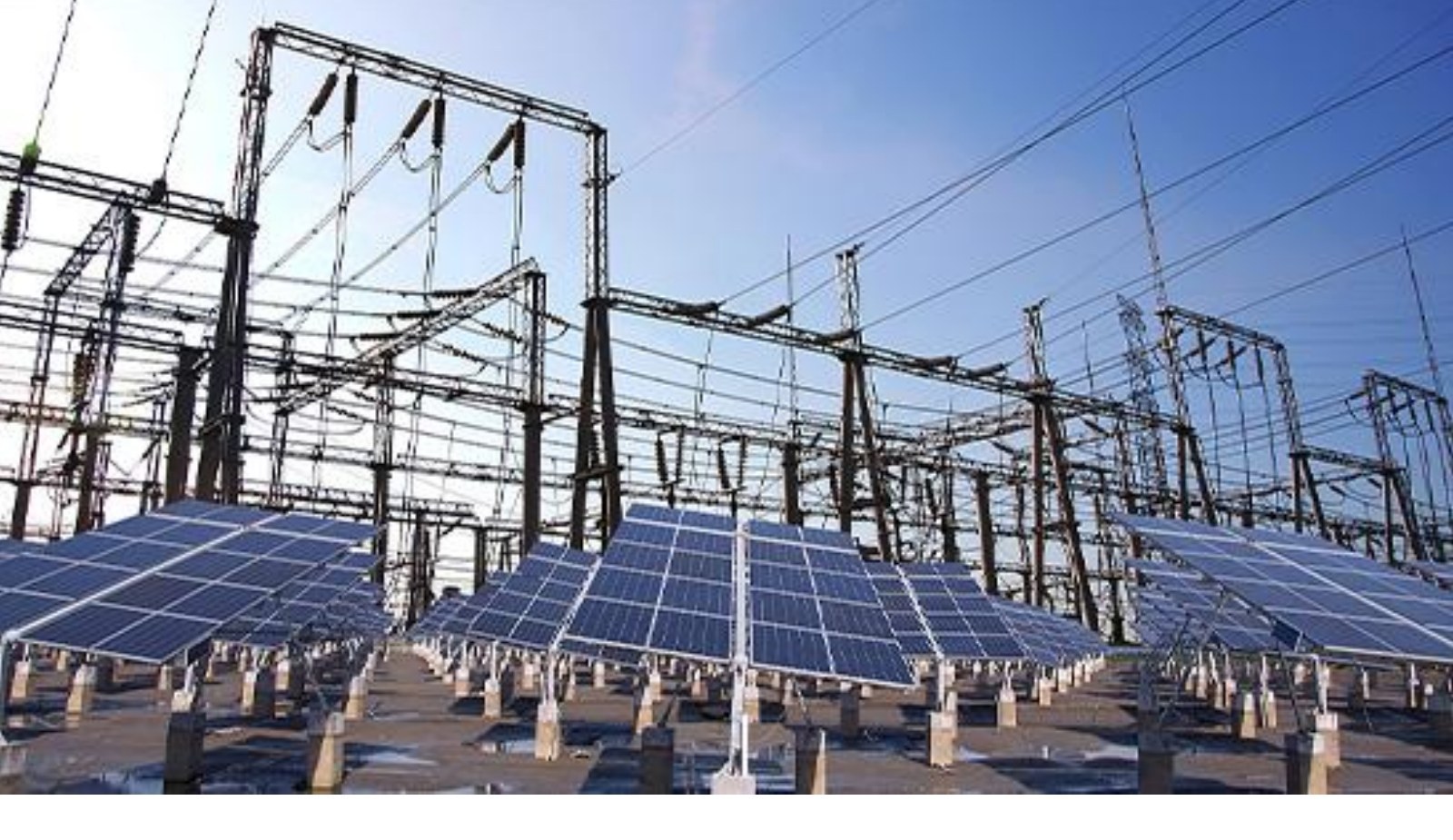
Power infrastructure faces prolonged sunlight, radiation, rain erosion and demanding high-temperature corrosion exposure. Water resistance, cathodic protection from zinc content above 80%, and heat resistance help reduce lifecycle costs.

Solution highlights

  • Exposure: prolonged sunlight, radiation, rain erosion and high-temperature corrosion conditions.
  • Material capabilities: water resistance, cathodic protection with zinc content above 80%, and heat resistance.
  • Applications: salt-spray and UV protection for wind towers, solar frames and power infrastructure steelwork.
  • Benefit: lower lifecycle costs.
Zinc content for cathodic protection
80 %+
Salt-spray protection
20000 h+
VOC content
0 g/L
Film hardness
6 H
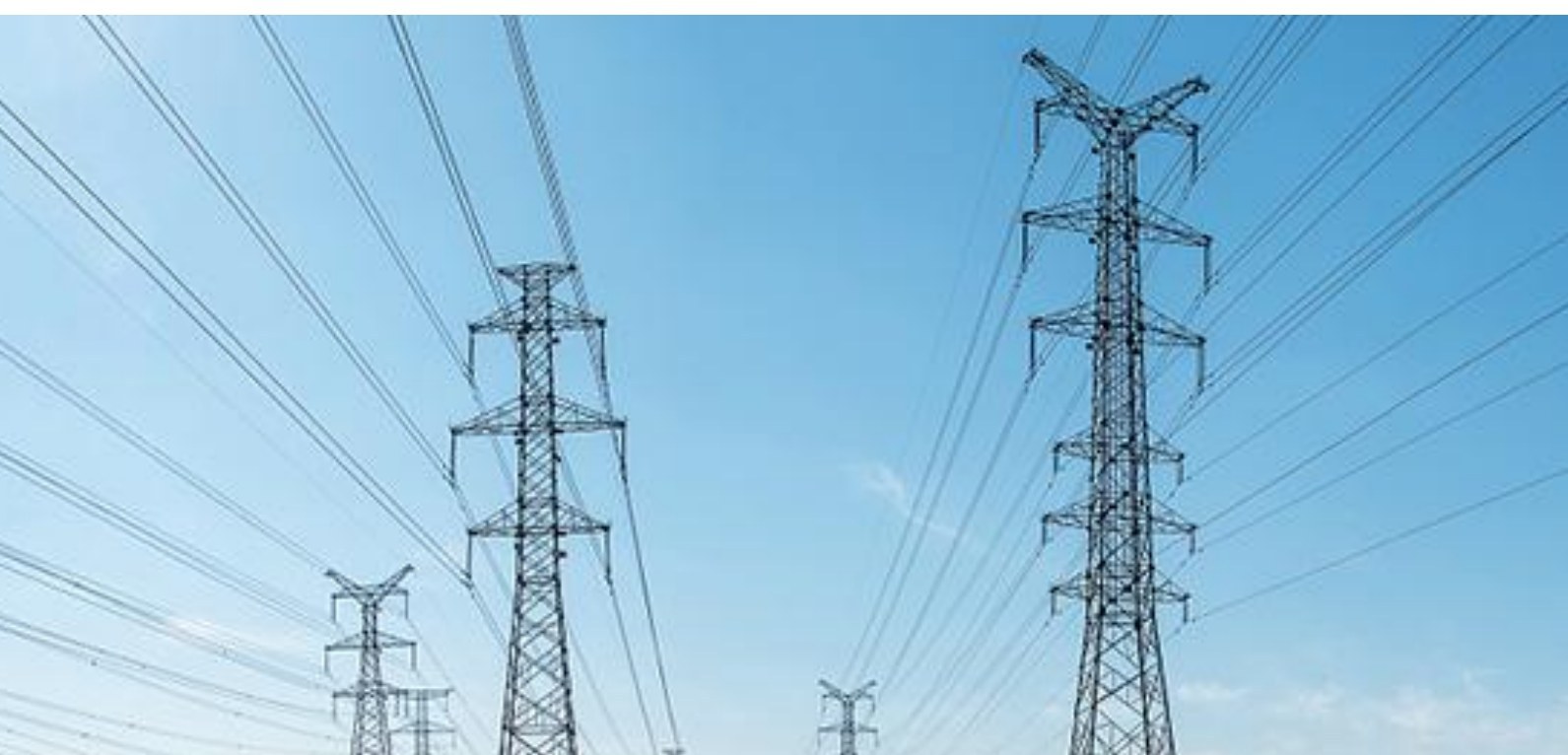
Transmission tower and power lines
Solar support frames and power infrastructure

Application reference · Open the full original image

Steel corrosion protection coatings

Operating conditions
Protection for large venues, landmark buildings and municipal infrastructure.
Suitable substrates
Venue roofs, structural steel and municipal pipe networks.
Solution details, specifications & application referencesShow details
STEEL STRUCTURE

Steel structures

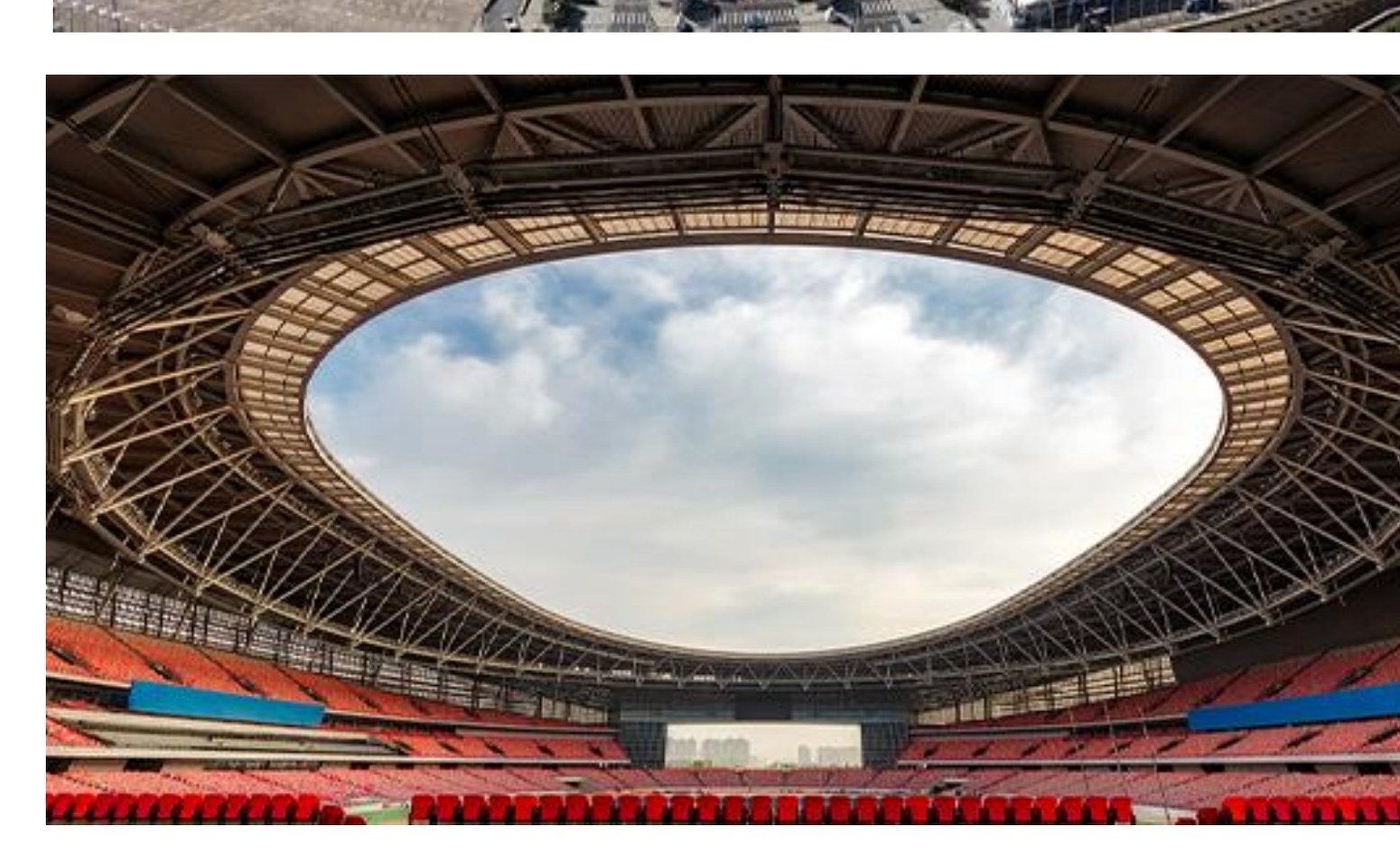
The product reaches 6H pencil hardness after curing and heat exposure, with abrasion and impact resistance distinct from conventional epoxy zinc-rich coatings. Its fully inorganic, zero-VOC structure supports environmental, fire-protection and anticorrosion functions. The original literature states a flash point of 0.

Solution highlights

  • Mechanical properties: 6H pencil hardness after curing and heat exposure, with abrasion and impact resistance.
  • Environmental and fire properties: fully inorganic, zero VOC; the original literature states a flash point of 0.
  • System benefits: combined environmental, fire-protection and anticorrosion functions, distinct from conventional epoxy zinc-rich coatings.
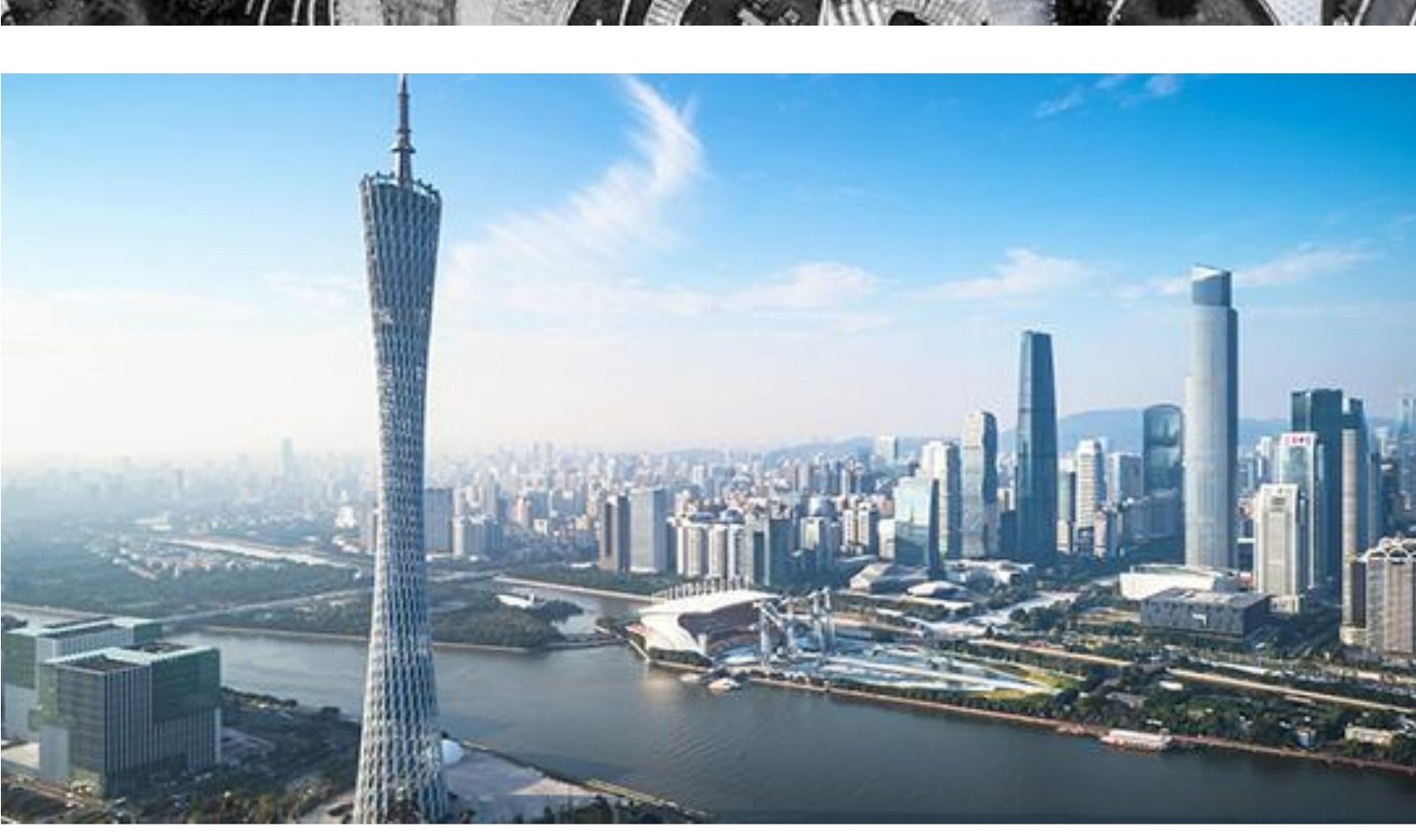
  • Applications: large venues, landmark buildings, municipal pipe networks and other major steel structures.
Pencil hardness after curing and heat exposure
6 H
Fully inorganic · Zero VOC
0 VOC
Flash point: not applicable
0 Flash point
Salt-spray protection
20000 h+
Large venue steel roof structure
Landmark building steelwork

Let's discuss your specific conditions

Discuss coating thickness and a suitable system based on the environment, substrate and application requirements.

Discuss your project

100%
Download original ↗Download