
A
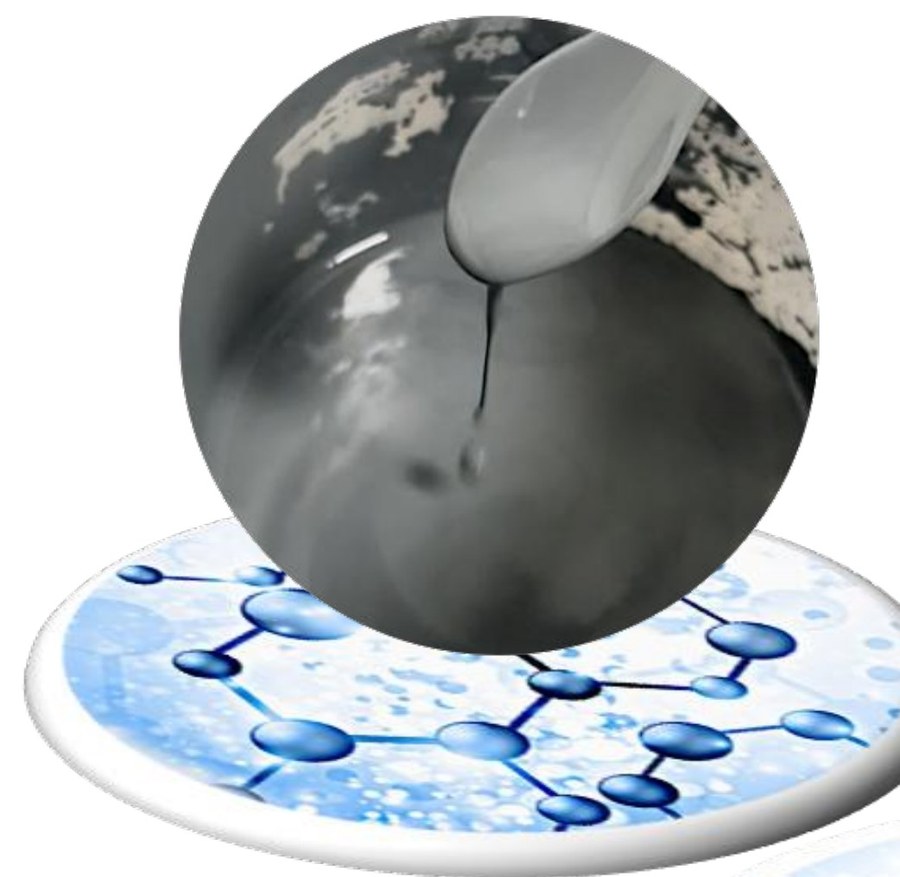
Aqueous nano solution
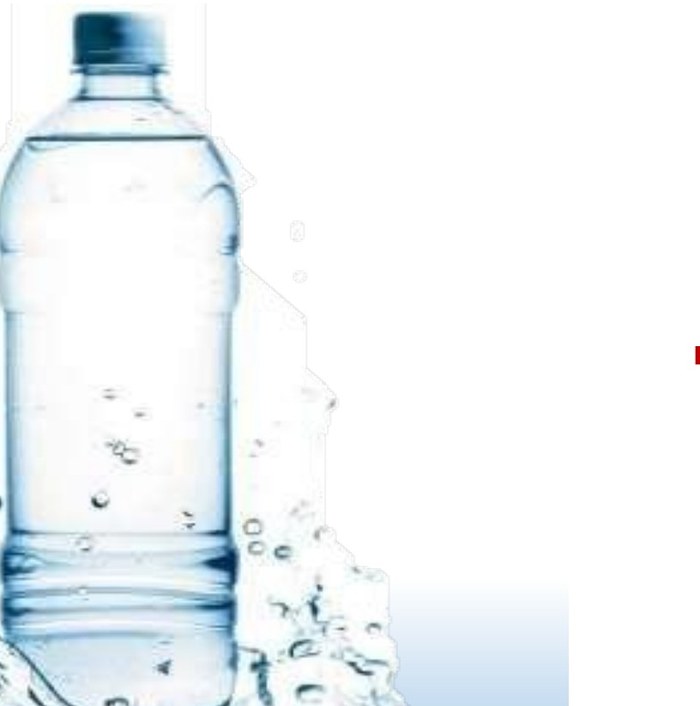
Component A / Liquid
An aqueous nano solution and rare-earth composite zinc powder. Explore the material composition, operating environments and technical specifications from the product literature.
Read specificationsClient-supplied original · Open to inspect the full image
Explore the composition, from aqueous solution to composite zinc powder.
Component A / Liquid
Component B / Powder
Chemical bonding replaces physical adsorption to form a nano self-assembled coating. Refer to the original product literature for detailed mechanisms and performance descriptions.
Explore our researchStart with the substrate and environment, then define the coating system.
These specifications are retained from the client-supplied product presentation. Read performance figures alongside their test conditions and report pages.
The fully inorganic formulation addresses environmental requirements, offers weld performance and has reported salt-spray resistance exceeding 20,000 hours.
| Base colour | Metallic grey |
|---|---|
| Finish | Matt / semi-matt |
| Volume solids | (52±2)% |
| Solids by mass | (83±2)% |
| Metallic zinc in dry film | 88% |
| Theoretical coverage | 3–4 m²/kg (60 μm dry film) |
| Density | 2.9 Kg/L |
| Touch dry | 5–30 minutes (23 ± 2°C, well ventilated) |
| Full cure | Approx. 7 days (23 ± 2°C, well ventilated) |
| VOC content | 0 g/L |
| Flash point | Not applicable |
| Temperature range | (-50-500)℃ |
| Welding & cutting | Damage spread from cut edge <5 mm |
| Shelf life | 1 year at ambient storage conditions. |
Specifications are taken from the Core Specifications page of the High-bond-energy Rare-earth Nano Coating product presentation.
Original report pages, experimental images and test categories in one place.
The coating chemically bonds across the ferrous substrate and develops a nano self-assembled layer, isolating corrosive agents and providing strong adhesion.
Zinc acts as a sacrificial anode, providing continuous cathodic protection against steel corrosion, with a reported material service life exceeding 20 years.
Corrosion products from the sacrificial metal form sparingly soluble salts that block micropores, enabling self-repair and enhancing corrosion resistance.
Strongly alkaline components promote a stable passivation layer on the ferrous substrate, improving chemical stability and corrosion resistance.
Each item relates to a specific test result or technical description in the supplied literature.
Small particles penetrate effectively and create a tortuous path that enhances the barrier effect.
≥5 MPa; pull-off locations withstand a subsequent 500-hour CASS test.
400°C continuous and 800°C short-term resistance; a subsequent 500-hour CASS test after heat exposure.
Scratch self-repair, with metallic zinc content up to 88% in the dry film.
Self-growth + barrier effect + cathodic protection + reaction layer provide four-layer protection, with salt-spray resistance exceeding 20,000 hours.
5–30 minutes, depending on temperature and humidity.
The cited national-standard range is 10⁵–10⁹ Ω·m. The tested panel measured 1.2 × 10⁷ Ω·m, meeting the cited petroleum antistatic requirement.
Low-temperature resistance to −50°C.
Resists marine fouling and barnacle growth.
750 g / 500 revolutions, <0.05 g loss; followed by a 100-hour CASS test.
Compare key properties of epoxy, acrylic, inorganic zinc-rich and Zhenkai inorganic nano anticorrosive coatings.
| Property | Epoxy coating | Acrylic coating | Inorganic zinc-rich coating | Zhenkai inorganic nano anticorrosive coating |
|---|---|---|---|---|
| Adhesion | Fairly good | Good | Excellent | Strong ionic bonding to the metal substrate; Grade 1 |
| Heat resistance | 120-180℃ | 80-120℃ | 400℃ | 400°C continuous; above 800°C short-term |
| Corrosion resistance | Excellent | Moderate | Excellent | Excellent: self-growth + barrier effect + cathodic protection + passivation |
| Weathering resistance | Moderate | Excellent | Excellent | Excellent (20+ years) |
| Acid & alkali resistance | Excellent resistance to acids and alkalis | Moderate | Good | Resistant to certain acids and alkaline conditions (pH 3–12.5) |
| Salt-spray resistance | 800 | >1000 | >1000 | Excellent; above 20,000 h |
| Hardness | 2H | 1-2H | 5H | 6H |
| Environmental properties | Solvent-based; contains VOCs | Waterborne; low VOC | Relatively low VOC | Inorganic, waterborne, zero VOC; proprietary waterborne rare-earth nano binder |
| Drying rate | Relatively slow | Fast | Fast | Surface dry in 5–30 min |
| Surface preparation | Sa2.0-Sa2.5 | Sa2.0-Sa2.5 | Sa2.5 | Sa2.0 or St3; performs with reduced surface preparation |
| Mechanical properties | High hardness; moderate abrasion resistance | Good flexibility; moderate abrasion resistance | High hardness but brittle and prone to cracking | High hardness and toughness; resists cracking, supports self-healing and limits corrosion spread at scratches |
| Application conditions | Relatively little influence | 5–30°C; relative humidity ≤5% | 5–50°C; relative humidity ≤85% | Suitable for high-temperature, high-humidity application |
| Colour & appearance | Wide colour range but prone to yellowing | Good colour retention and decorative finish | Typically grey; limited decorative finish | Metallic grey; limited decorative finish |
| Topcoat compatibility | Fairly good | Strong | Moderate | Fairly good; waterborne topcoat >3 MPa |
This table is taken from the Coating Performance Comparison page of the High-bond-energy Rare-earth Nano Coating product presentation.
A nano activation solution forms the binder, with modified sacrificial zinc powder as the solid filler and specialised rare-earth additives. Self-growth, cathodic protection, self-repair and passivation deliver reported salt-spray resistance >20,000 hours across extreme exposure from −50°C to 800°C. A single coat provides 6H hardness with a fully inorganic, zero-VOC formulation.
Discuss coating thickness and a suitable system based on the environment, substrate and application requirements.